Services
.png/:/cr=t:0.63%25,l:13.96%25,w:48.08%25,h:48.08%25/rs=w:365,h:365,cg:true,m)
Cupping Therapy
Ultrasound & Electrical Stimulation (E-Stim)
Ultrasound & Electrical Stimulation (E-Stim)
Cupping therapy is a manual treatment technique used to relieve muscle tension, improve circulation, and promote healing. During treatment, specialized cups are placed on the skin to create gentle suction. This suction lifts the underlying tissue, helping to reduce tightness and improve mobility.
Cupping may help:
- Decrease muscle tightness
Cupping therapy is a manual treatment technique used to relieve muscle tension, improve circulation, and promote healing. During treatment, specialized cups are placed on the skin to create gentle suction. This suction lifts the underlying tissue, helping to reduce tightness and improve mobility.
Cupping may help:
- Decrease muscle tightness
- Improve blood flow
- Reduce pain and inflammation
- Improve tissue mobility
- Break up adhesions and scar tissue
- Enhance recovery after intense activity
Unlike traditional massage, which applies pressure downward into the tissue, cupping gently lifts the tissue upward, creating space between layers of muscle and fascia.
What to Expect
You may feel a mild pulling or stretching sensation during treatment. Sessions typically last 5–15 minutes, and cups may remain stationary or be gently moved along the skin.
It’s normal to notice temporary circular marks after treatment. These are not bruises and typically fade within a few days.
Cupping is often combined with exercise, stretching, and hands-on therapy as part of a comprehensive rehabilitation plan.

Ultrasound & Electrical Stimulation (E-Stim)
Ultrasound & Electrical Stimulation (E-Stim)
Ultrasound & Electrical Stimulation (E-Stim)
Therapeutic Ultrasound
Therapeutic ultrasound uses sound waves delivered through a small handheld device to gently heat deeper tissues such as muscles, tendons, and ligaments.
This treatment can:
- Increase blood flow
- Reduce stiffness
- Decrease pain
- Promote tissue healing
- Improve flexibility
Ultrasound is commonly used for tendonitis, mus
Therapeutic Ultrasound
Therapeutic ultrasound uses sound waves delivered through a small handheld device to gently heat deeper tissues such as muscles, tendons, and ligaments.
This treatment can:
- Increase blood flow
- Reduce stiffness
- Decrease pain
- Promote tissue healing
- Improve flexibility
Ultrasound is commonly used for tendonitis, muscle strains, ligament injuries, and scar tissue restrictions.
Electrical Stimulation (E-Stim)
Electrical stimulation uses controlled electrical impulses delivered through small pads placed on the skin. These impulses help stimulate muscles and nerves and may be used to:
- Reduce pain
- Decrease muscle spasms
- Improve muscle activation
- Prevent muscle atrophy after injury or surgery
- Reduce swelling
E-stim can be especially helpful after surgery, during early rehabilitation, or when muscles need assistance “waking back up” after injury.
What to Expect
Both treatments are safe, non-invasive, and typically comfortable. You may feel a mild warming sensation with ultrasound or a gentle tingling/muscle contraction with e-stim. Treatments are often used alongside exercise and hands-on therapy to enhance overall results.

Mechanical Traction
Ultrasound & Electrical Stimulation (E-Stim)
Mechanical Traction
Spinal Traction Therapy
Spinal traction is a non-invasive treatment used to relieve pressure on the spine and surrounding nerves. Using a specialized traction table, gentle, controlled stretching forces are applied to the neck or lower back to create space between the vertebrae.
Traction therapy may help:
- Reduce nerve compression
- Decrease d
Spinal Traction Therapy
Spinal traction is a non-invasive treatment used to relieve pressure on the spine and surrounding nerves. Using a specialized traction table, gentle, controlled stretching forces are applied to the neck or lower back to create space between the vertebrae.
Traction therapy may help:
- Reduce nerve compression
- Decrease disc pressure
- Relieve radiating pain (such as sciatica)
- Improve spinal mobility
- Reduce muscle guarding and spasms
- Promote circulation to injured tissues
By gently decompressing the spine, traction can provide relief for patients experiencing pain related to disc injuries, degenerative changes, or nerve irritation.
Conditions Commonly Treated
Spinal traction is often used for:
- Herniated or bulging discs
- Sciatica
- Pinched nerves
- Degenerative disc disease
- Chronic neck or low back pain
What to Expect
During treatment, you’ll lie comfortably on a traction table while a harness system applies gradual, controlled tension to the targeted area of the spine. Most patients describe the sensation as a gentle stretch. Sessions typically last 10–20 minutes and are often combined with exercise and hands-on therapy for best results.
Spinal traction is safe, non-invasive, and customized to your comfort level and condition.
.png/:/cr=t:22.73%25,l:44.66%25,w:45.45%25,h:45.45%25/rs=w:365,h:365,cg:true,m)
SASTM /Scraping
Therapeutic Exercise
Mechanical Traction
Scraping is a specialized manual therapy technique used to treat muscle tightness, scar tissue, and chronic soft tissue restrictions. Using specially designed instruments, your physical therapist gently glides along the skin to identify and treat areas of tissue dysfunction.
These instruments enhance the therapist’s ability to detect chang
Scraping is a specialized manual therapy technique used to treat muscle tightness, scar tissue, and chronic soft tissue restrictions. Using specially designed instruments, your physical therapist gently glides along the skin to identify and treat areas of tissue dysfunction.
These instruments enhance the therapist’s ability to detect changes in tissue texture and mobility while delivering targeted treatment to the affected area.
SASTM/scraping may help:
- Break down scar tissue and adhesions
- Improve blood flow and circulation
- Reduce pain and inflammation
- Restore normal tissue mobility
- Improve flexibility and range of motion
- Stimulate the body’s natural healing response
The controlled stimulation encourages collagen remodeling and supports long-term tissue recovery.
Conditions Commonly Treated
This technique is often used for:
- Tendonitis and tendinopathy
- Plantar fasciitis
- IT band syndrome
- Tennis or golfer’s elbow
- Rotator cuff injuries
- Chronic muscle tightness
- Post-surgical scar tissue
What to Expect
Treatment typically lasts 5–15 minutes. You may feel moderate pressure during the session. Mild redness or temporary soreness afterward is common and usually resolves within 24–48 hours.
SASTM/scraping is often combined with exercise and mobility work to improve lasting results.
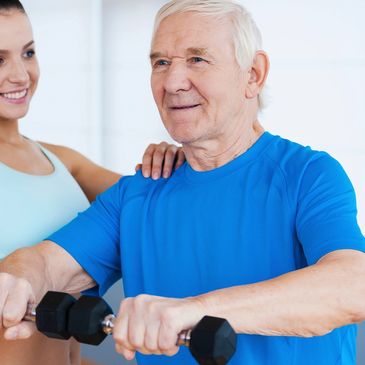
Therapeutic Exercise
Therapeutic Exercise
Therapeutic Exercise
Therapeutic exercise is the foundation of physical therapy. These customized exercises are designed to reduce pain, restore mobility, improve strength, and help you return to the activities that matter most.
Unlike general fitness workouts, therapeutic exercises are carefully selected based on your specific injury, movement patterns, and g
Therapeutic exercise is the foundation of physical therapy. These customized exercises are designed to reduce pain, restore mobility, improve strength, and help you return to the activities that matter most.
Unlike general fitness workouts, therapeutic exercises are carefully selected based on your specific injury, movement patterns, and goals. Each program is individualized and progressed safely as you improve.
Therapeutic exercise can:
- Improve strength and stability
- Increase flexibility and mobility
- Restore joint range of motion
- Improve balance and coordination
- Correct movement imbalances
- Reduce pain and prevent re-injury
By addressing the root cause of your symptoms—not just the pain itself—therapeutic exercise supports long-term recovery and performance.
What to Expect
Your physical therapist will guide you through exercises tailored to your condition and teach you proper form and technique. As your strength and mobility improve, your program will be progressed to safely challenge you and support continued gains.
Exercises may include:
- Stretching and mobility work
- Strength training
- Balance and stability exercises
- Core strengthening
- Functional movement training
Therapeutic exercise is often combined with hands-on treatment and other modalities to maximize results.
.png/:/cr=t:37.11%25,l:22%25,w:38.17%25,h:38.17%25/rs=w:365,h:365,cg:true,m)
Joint Mobilizations
Therapeutic Exercise
Therapeutic Exercise
Joint mobilizations is a hands-on manual therapy technique used to reduce pain, improve mobility, and restore normal movement.
This treatment targets both joint stiffness to help your body move more freely and comfortably.
Techniques We May Use
Joint Mobilization (Maitland Orthopedic Manual Therapy)
Based on the principles of the Maitland a
Joint mobilizations is a hands-on manual therapy technique used to reduce pain, improve mobility, and restore normal movement.
This treatment targets both joint stiffness to help your body move more freely and comfortably.
Techniques We May Use
Joint Mobilization (Maitland Orthopedic Manual Therapy)
Based on the principles of the Maitland approach, joint mobilizations use graded, precise movements to reduce pain and improve joint motion. These techniques are carefully selected and adjusted based on your symptoms and response to treatment.
Maitland orthopedic manual therapy helps:
- Reduce joint pain
- Improve range of motion
- Decrease stiffness
- Restore normal joint mechanics
What to Expect
During treatment, your therapist will use precise, hands-on techniques to gently mobilize joints. You may feel temporary soreness afterward, but most patients experience improved mobility and reduced discomfort.
This technique is often combined with therapeutic exercise to create lasting results and prevent recurring issues.
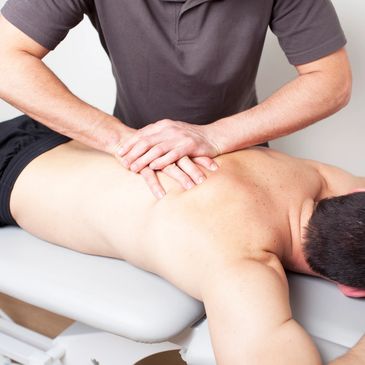
Manual Therapy
The McKenzie Method (Mechanical Diagnosis & Therapy)
The McKenzie Method (Mechanical Diagnosis & Therapy)
Manual therapy is a specialized, hands-on approach used by physical therapists to reduce pain, restore mobility, and improve movement. Using skilled techniques tailored to your condition, manual therapy helps address joint stiffness, muscle tightness, nerve irritation, and movement restrictions.
This personalized treatment allows us to dir
Manual therapy is a specialized, hands-on approach used by physical therapists to reduce pain, restore mobility, and improve movement. Using skilled techniques tailored to your condition, manual therapy helps address joint stiffness, muscle tightness, nerve irritation, and movement restrictions.
This personalized treatment allows us to directly target the source of dysfunction and accelerate your recovery.
Techniques We May Use
Joint Mobilization (Maitland Orthopedic Manual Therapy)
Based on the principles of the Maitland approach, joint mobilizations use graded, precise movements to reduce pain and improve joint motion. These techniques are carefully selected and adjusted based on your symptoms and response to treatment.
Maitland orthopedic manual therapy helps:
- Reduce joint pain
- Improve range of motion
- Decrease stiffness
- Restore normal joint mechanics
Trigger Point Therapy
Trigger point release focuses on tight, sensitive areas within muscles—often referred to as “knots.” These areas can cause local pain or refer pain to other parts of the body.
This technique may help:
- Decrease muscle tension
- Relieve referred pain
- Improve circulation
- Restore muscle flexibility
- Reduce headaches and muscle-related discomfort
Soft Tissue Mobilization
Hands-on techniques that target muscles, fascia, and connective tissue to:
- Reduce muscle tightness
- Improve circulation
- Decrease pain
- Restore tissue mobility
Instrument-Assisted Soft Tissue Mobilization (IASTM / SASTM)
Specialized instruments are used to detect and treat scar tissue, adhesions, and chronic soft tissue restrictions, stimulating healing and improving mobility.
What to Expect
Manual therapy sessions are tailored to your specific condition and comfort level. You may feel gentle pressure, stretching, or joint movement during treatment. Mild soreness afterward can occur but typically resolves quickly.
Manual therapy is most effective when combined with therapeutic exercise to create lasting improvements in strength, mobility, and overall function.
.png/:/cr=t:29.62%25,l:20.56%25,w:45.45%25,h:45.45%25/rs=w:365,h:365,cg:true,m)
The McKenzie Method (Mechanical Diagnosis & Therapy)
The McKenzie Method (Mechanical Diagnosis & Therapy)
The McKenzie Method (Mechanical Diagnosis & Therapy)
The McKenzie Method is a research-supported assessment and treatment approach that identifies specific movement patterns contributing to your pain. Through repeated movements and posture correction.
This method helps:
- Centralize radiating pain (such as sciatica)
- Reduce disc-related symptoms
- Improve spinal mobility
- Teach you how to manage
The McKenzie Method is a research-supported assessment and treatment approach that identifies specific movement patterns contributing to your pain. Through repeated movements and posture correction.
This method helps:
- Centralize radiating pain (such as sciatica)
- Reduce disc-related symptoms
- Improve spinal mobility
- Teach you how to manage symptoms independently
A major focus of McKenzie treatment is empowering you with exercises and strategies to prevent future flare-ups.
.png/:/cr=t:30%25,l:30%25,w:40%25,h:40%25/rs=w:365,h:365,cg:true,m)
Functional Medicine
The McKenzie Method (Mechanical Diagnosis & Therapy)
Craniosacral Therapy
Functional medicine is a patient-centered, root-cause approach to healthcare that focuses on identifying and addressing the underlying factors contributing to symptoms and chronic conditions. Rather than simply managing symptoms, functional medicine looks at how lifestyle, nutrition, stress, sleep, hormones, and movement all interact to i
Functional medicine is a patient-centered, root-cause approach to healthcare that focuses on identifying and addressing the underlying factors contributing to symptoms and chronic conditions. Rather than simply managing symptoms, functional medicine looks at how lifestyle, nutrition, stress, sleep, hormones, and movement all interact to influence your overall health.
This approach views the body as an interconnected system, not a collection of isolated parts.
Functional medicine involves a comprehensive evaluation of your health history, lifestyle habits, and potential contributing factors. This may include:
- Detailed health and symptom history
- Nutrition and dietary review
- Stress and sleep assessment
- Movement and activity analysis
- Lab testing (when appropriate)
From there, an individualized plan is developed to support optimal function and long-term wellness.
Functional medicine may support individuals experiencing:
- Chronic inflammation
- Fatigue
- Hormonal imbalances
- Digestive issues
- Persistent pain
- Metabolic concerns
- Stress-related symptoms
A Personalized Approach
Care plans may include targeted nutrition strategies, lifestyle modifications, movement recommendations, and other evidence-informed interventions tailored to your goals.
The focus of functional medicine is empowering you with the knowledge and tools to take control of your health and build sustainable habits that promote long-term vitality.
.png/:/cr=t:30.32%25,l:30.09%25,w:52.63%25,h:52.63%25/rs=w:365,h:365,cg:true,m)
Craniosacral Therapy
Whole Body Cryotherapy
Craniosacral Therapy
Craniosacral Therapy is a gentle, hands-on treatment approach designed to relieve tension, improve nervous system function, and support the body’s natural healing processes. Using light touch, your therapist evaluates and addresses restrictions within the craniosacral system—which includes the membranes and fluid surrounding the brain and
Craniosacral Therapy is a gentle, hands-on treatment approach designed to relieve tension, improve nervous system function, and support the body’s natural healing processes. Using light touch, your therapist evaluates and addresses restrictions within the craniosacral system—which includes the membranes and fluid surrounding the brain and spinal cord.
This subtle technique focuses on calming the nervous system and restoring balance throughout the body.
Craniosacral Therapy may help:
- Reduce stress and tension
- Relieve headaches and migraines
- Decrease neck and back discomfort
- Improve relaxation and sleep
- Support recovery from concussion
- Address jaw (TMJ) discomfort
- Promote overall nervous system regulation
By reducing restrictions and encouraging relaxation, this therapy may improve the body’s ability to self-correct and heal.
What to Expect
Treatment is performed while you lie comfortably clothed on a treatment table. The therapist uses gentle, sustained contact—typically described as light pressure—to assess and release areas of restriction.
Most patients experience deep relaxation during the session. Some notice immediate symptom relief, while others feel gradual improvements over time.
Craniosacral Therapy is often integrated with other physical therapy treatments to provide a comprehensive and individualized plan of care.
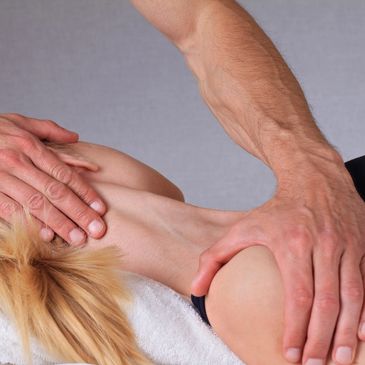
Massage Therapy
Whole Body Cryotherapy
Whole Body Cryotherapy
COMING SOON!
.png/:/cr=t:19.27%25,l:5.06%25,w:48.08%25,h:48.08%25/rs=w:365,h:365,cg:true,m)
Whole Body Cryotherapy
Whole Body Cryotherapy
Whole Body Cryotherapy
COMING SOON!